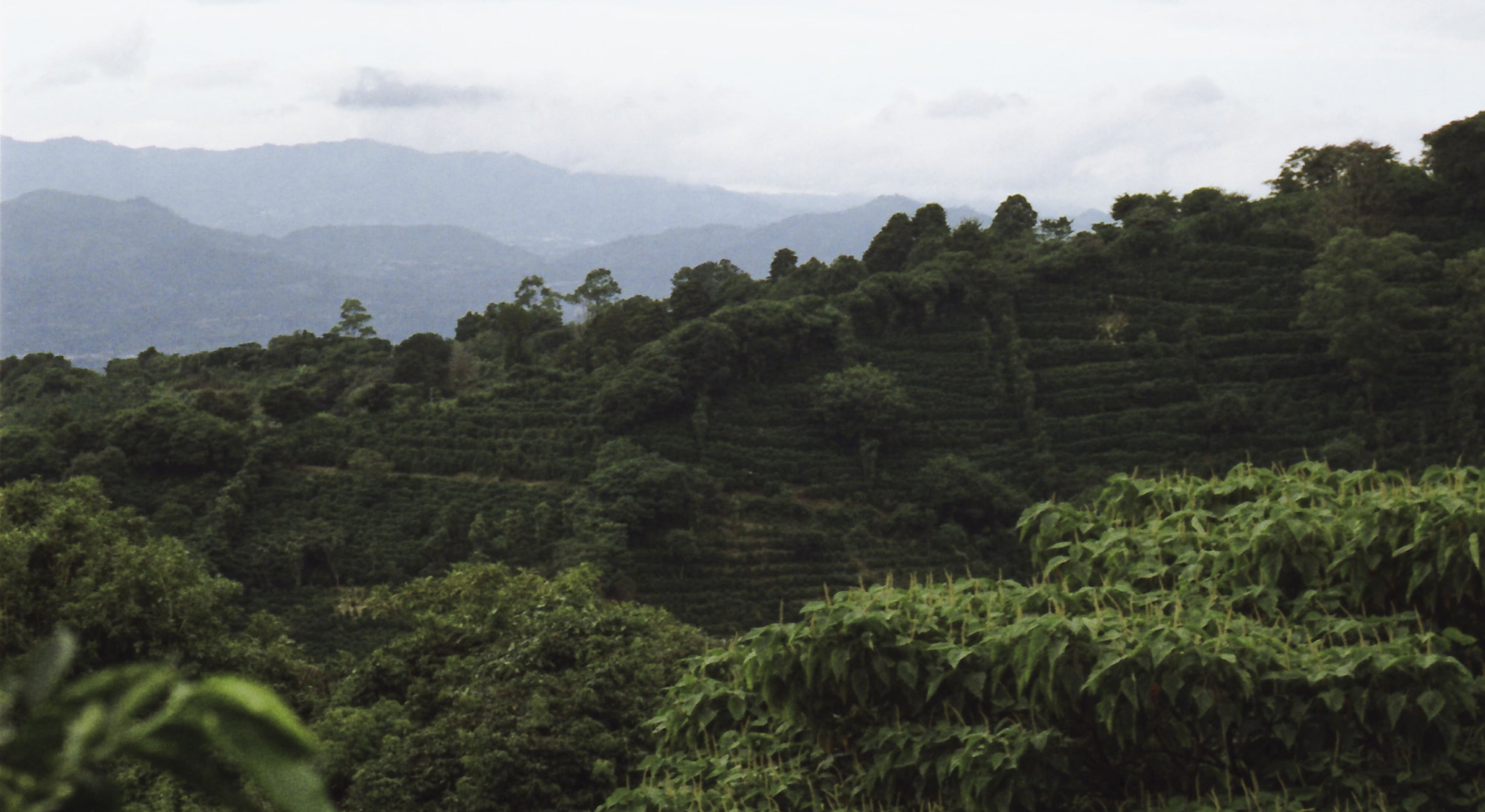
Pruning Experiment - Cold Washed Rume Sudan
At POMA, we're continually exploring the agricultural factors that shape the sensory profile and productivity of coffee. In this controlled experiment, we isolated a single agricultural variable, the pruning of the trees, to ask how it influences yield and cup quality.
Pruning is the selective removal of certain parts of a plant, such as branches or roots, to improve its health, growth, or productivity. Pruning does two things at once. It renews and rejuvenates, forcing the new fruiting wood that next year's crop will occupy, and it regulates, capping how much the tree is allowed to carry so the vegetative and reproductive sides stay in balance. Everything else is a consequence of getting that balance right. Left unpruned, an ageing coffee tree loses its lower and inner production and concentrates its crop in a young, well-lit shell at the top and outer edge, lowering productivity and quality.
For this release, we compared two management histories on the same variety, grown side by side under identical conditions. One shaped for six years by the POMA Pruning System, the other left on a traditional schedule with biennial topping and low intensity pruning, with stumping pushed off for a few years more but to come. Same genetics, same climate room, same everything except how each tree had been pruned.
Inside the box you'll find two versions of the Rume Sudan variety, grown side by side in the same climate compartments. The first is the one subjected to the POMA Pruning System, where pruning has been done intensively on a yearly basis to improve plant signalling and the source-sink balance for a measureably denser seed and higher production over time.
The second is the traditionally pruned lot, where low maintenance pruning and few large interventions, yielding a lighter seed and lower production over time. Tasted side by side, they let you experience the direct sensory impact of pruning on the same genetics and climate.
What’s in the box
150g - POMA Pruning System, Cold Washed Rume Sudan
150g - Traditional Pruning, Cold Washed Rume Sudan
20ml - Poma x Apaxlab Tonik (1) mineral concentrate
- Coffee will be roasted on September 8 and shipped the following day.
- DHL Express within 1-3 days from Denmark

Traditional Pruning System Rume Sudan
A great representation of the Rume Sudan variety showcasing the elegant tea-like floralitythat is so characteristic of this variety. You will find subtle aromas of honey, cantaloupe andlavender that harmonate perfectly to create a balanced and floral profile in the cup,combined with a long and sweet aftertaste like brown sugar.

POMA Pruning System Rume Sudan
In this improved lot of Rume Sudan, all the attributes that we love about this variety are elevated, adding fruity flavours to back up the florality for a more coherent experience. Expect bright aromas of jasmine, rose and peach, a vibrant and lively acidity, and a long sweet aftertaste reminiscent of a flower cordial.
Tonik [1], mineral concentrate
We have teamed up with Apax Lab to develop a specific water profile that enhances the flavor of our coffees to their fullest potential. This water blend is carefully crafted to balance and elevate all the unique qualities of the coffee beans.


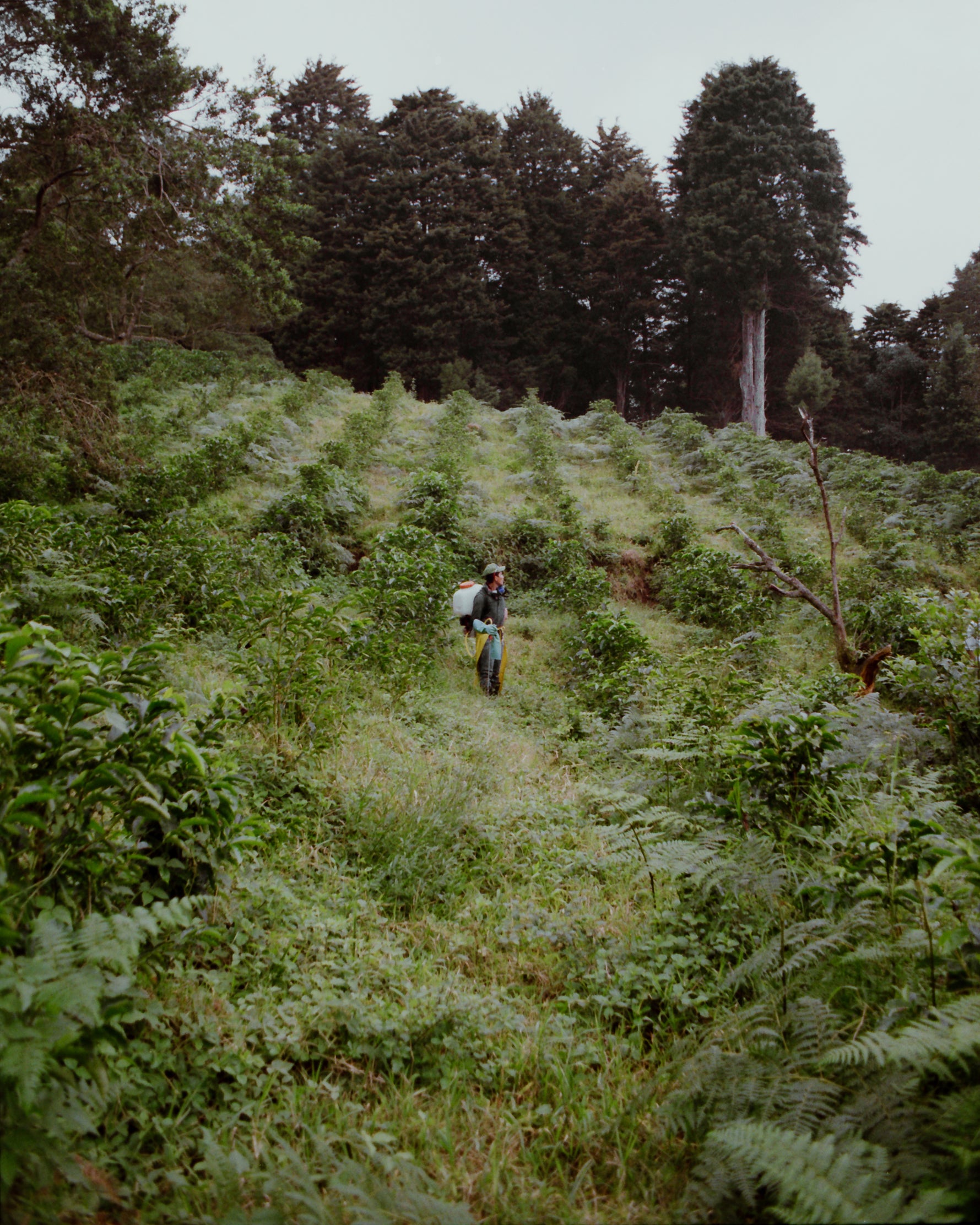
Pruning Experiment on Rume Sudan
To ensure any observed differences stemmed solely from differences in pruning, we conducted the trial in a climate chamber in a climate-controlled greenhouse with the following specs and practices:
Temperature: 22°C daytime / 16°C nighttime
Light: LED grow lights simulating moderate shade, 300 µmol/m²/s, 12-hour photoperiod
Fertigation: drip system, balanced nutrition mixture, consistent equal delivery
Simulated altitude: 1800 masl
Propagation: both plots propagated from cuttings for genetic uniformity
Growing medium: identical pots, same soil mix (peat moss, pH 5.8) for both
Agronomic practices: all other practices, thinning, harvesting timing, etc.,
synchronized between the two plots. Pruning regime was the only variable allowed to differ
Genetics: Rume Sudan (same source material, both plots)
Post-harvest processing followed our standard cold-washed protocol: depulping, 48-hour cold storage at 8°C, washing, and controlled slow and cold drying to 11% moisture. This rigorous control eliminated confounding factors like other weather factors, soil heterogeneity, agronomical factors, processing, etc., allowing us to attribute outcomes directly to the humidity differences.

Poma Research Station
Our Coffee Research Station was established six years ago in a climate-controlled greenhouse in Fyn, Denmark. Within this greenhouse, we manipulate environmental factors based on algorithms that mimic plant processes. This allows us to study how coffee trees react to climate change while also maintaining a stable environment for investigating the impact of farming practices.
Cold Washed Process
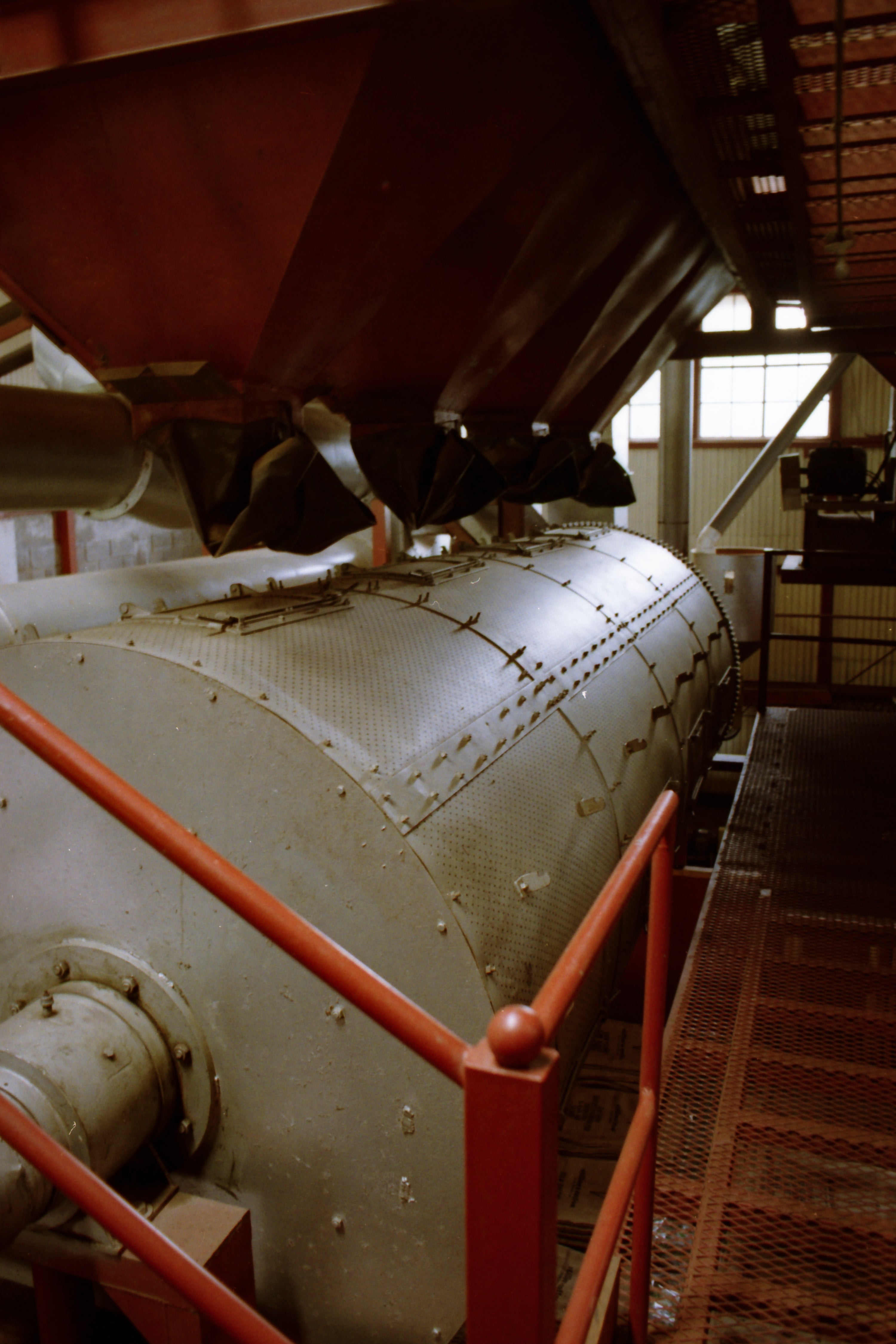
The coffee cherries were subjected to an initial cold storage period of 48 hours at 8°C. This gentle chilling process preserves and intensifies the coffee’s aromas without inducing fermentation, thereby safeguarding its natural taste profile. Subsequently, the cherries were depulped and underwent thorough washing and drying at low temperatures in a pressurized, rotating tumble dryer. This meticulous drying procedure ensures uniformity, resulting in a clean and crisp final product.
Technical Data
Producer: Rasmus Madsen
Origin: Poma Research Station, Denmark
Altitude: 1800 masl
Varietal: Rume Sudan
Process: Cold Washed
Harvest: July 2026
Brewing Advice
Rested coffee
We recommend resting our coffees for at least 10 days after the roast date, and we often find our coffee the most expressive around 3 weeks.
Water
To prepare, simply add 3.0g of the mineral concentrate to every 1 litre of high-quality demineralised water, then give it a good shake. This curated mixture will result in a mineral concentration of 90 parts per million (ppm) of perfectly balanced mineral compositions, optimising the brewing conditions for an exceptional coffee experience.
Brewing Parameters
We recommend using 13 grams of coffees to 200 grams of water. A coarse grind size approximately 900 micron. Brewing temperature 92C. Our brewing pattern is a 50g circular pour every 40 seconds. Total brew time is 3:00.