


Humidity Experiment - Cold Washed Milenio
At POMA, we're continually exploring the environmental factors that shape the sensory profile and overall quality of coffee. In this controlled experiment, we isolated a single climate variable, the humidity of the air around the plant, to ask how it influences yield and cup quality. Humidity is rarely studied in isolation, because in the field it never travels alone. It moves with temperature, rainfall, and altitude, making its individual contribution almost impossible to separate. By holding every other growing condition identical and changing only the air's moisture, we could measure what humidity alone does to the coffee. The variable behind the effect is Vapour Pressure Deficit (VPD), the difference between how much moisture the air holds and how much it could hold. A lower VPD (more humid air) lets the plant keep its stomata open longer, taking in more CO₂ and driving more photosynthesis. More photosynthesis means more assimilates directed into the developing seed — and, as our results show, a denser seed.
Inside the box you'll find two versions of the F1 hybrid Milenio, grown side by side in two climate compartments that differed only in humidity. The first is the high-humidity / low-VPD lot, where elevated photosynthesis produces a measureably denser seed. The second is the low-humidity / high-VPD lot, grown in drier air, yielding a lighter seed. Tasted side by side, they let you experience the direct sensory signature of humidity on the same genetics, same harvest, same process.
What’s in the box
150g - High Humidity Milenio
150g - Low Humidity Milenio
20ml - Poma x Apaxlab Tonik (1) mineral concentrate
- Coffee will be roasted on August 4th and ship the following day
- DHL Express within 1-3 days from Denmark

High Humidity Milenio
A concentrated, structured cup. Dense sweetness, layered and intense aromatics, a vibrant, well-defined acidity, full body, and a long, sweet aftertaste. Expect aromas of peach, apricot, and cascara. The denser seed carries more of everything the variety has to give
Low Humidity Milenio
A more delicate and transparent expression of the Milenio hybrid. Softer sweetness, gentler aromatics, a lighter body, and a cleaner, shorter finish. Expect aromas of apricot, autumn honey and red apple. The same Milenio genetics, drawn in a finer, quieter line.

Tonik [1], mineral concentrate
We have teamed up with Apax Lab to develop a specific water profile that enhances the flavor of our coffees to their fullest potential. This water blend is carefully crafted to balance and elevate all the unique qualities of the coffee beans.


Humidity Experiment
To ensure any observed differences stemmed solely from differences in humidity, we conducted the trial in a climate chamber in a climate-controlled greenhouse. This setup allowed precise regulation of temperature (maintained at 22°C daytime, 16°C nighttime), light exposure (simulating moderate shade with LED grow lights at 300 µmol/m²/s and a photoperiod of 12 hours), and drip fertigation (drip system delivering consistent nutrients via a balanced nutrition mixture).
- Both Mileno plots were propagated from cuttings to ensure genetic uniformity.
- Plants were grown in identical pots with the same soil mix (peat moss for optimal retention and drainage and pH 5.8) but in different climate chambers.
- Chamber 1 was set for a constant relative humidity of 60% while chamber 2 was set for 80%.
- All agronomic practices were synchronized: pruning, thinning, harvesting etc.
- Post-harvest processing followed our standard cold-washed protocol: depulping, 48-hour cold storage at 8°C, washing, and controlled slow and cold drying to 11% moisture. This rigorous control eliminated confounding factors like other weather factors, soil heterogeneity, agronomical factors, processing, etc., allowing us to attribute outcomes directly to the humidity differences.
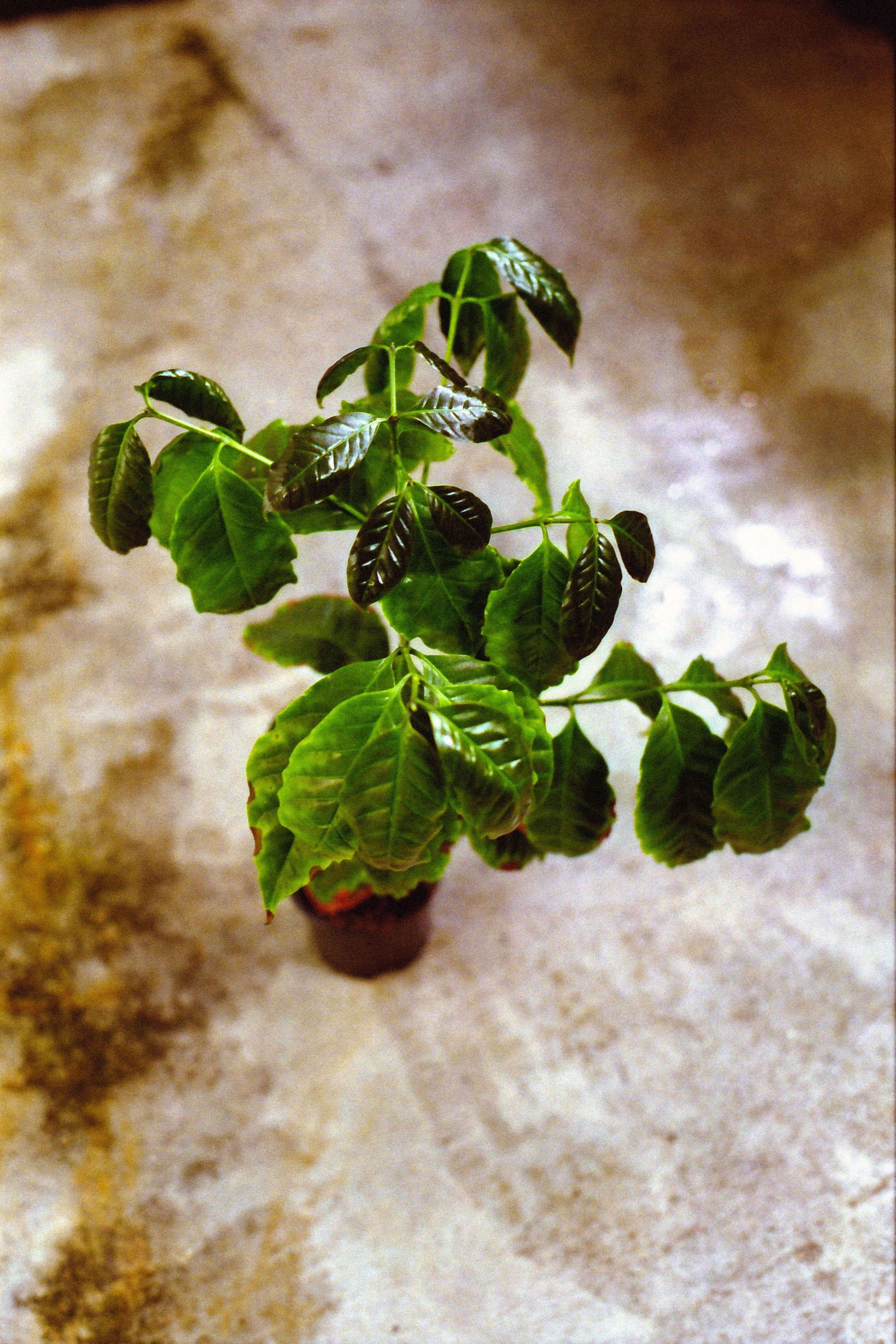
Poma Research Station
Our Coffee Research Station was established six years ago in a climate-controlled greenhouse in Fyn, Denmark. Within this greenhouse, we manipulate environmental factors based on algorithms that mimic plant processes. This allows us to study how coffee trees react to climate change while also maintaining a stable environment for investigating the impact of farming practices.
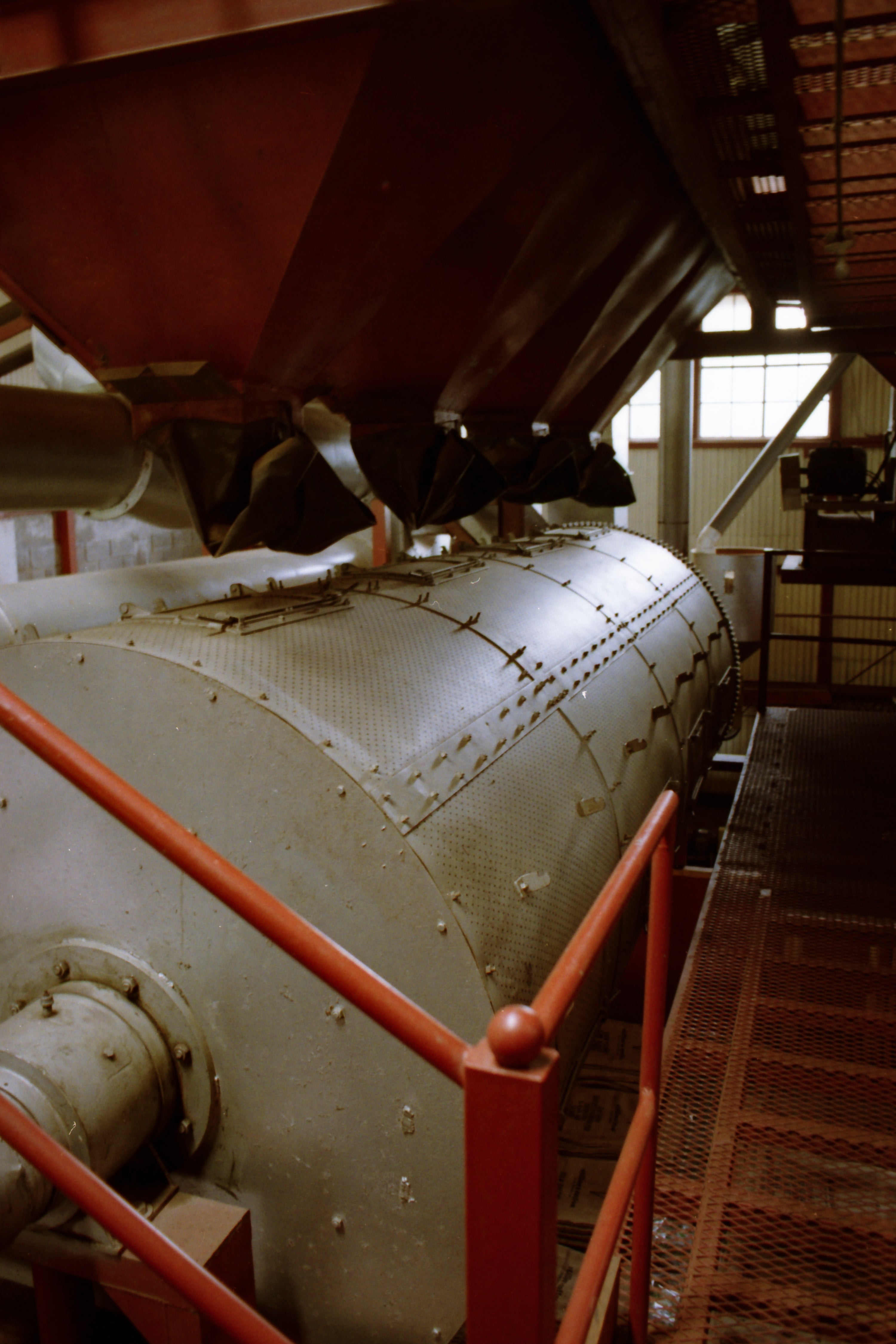
Cold Washed Process & Slow Drying
The coffee cherries were subjected to an initial cold storage period of 48 hours at 8°C. This gentle chilling process preserves and intensifies the coffee’s aromas without inducing fermentation, thereby safeguarding its natural taste profile. Subsequently, the cherries were depulped and underwent thorough washing and drying at low temperatures in a pressurized, rotating tumble dryer. This meticulous drying procedure ensures uniformity, resulting in a clean and crisp final product.
Technical Data
Producer: Poma
Origin: Poma Research Station, Denmark
Altitude: 1800 masl (simulated)
Varietal: Milenio
Process: Cold Washed
Harvest: January 2026
Brewing Advice
Rested coffee
We recommend resting our coffees for at least 10 days after the roast date, and we often find our coffee the most expressive around 3 weeks.
Water
To prepare, simply add 3.0g of the mineral concentrate to every 1 litre of high-quality demineralised water, then give it a good shake. This curated mixture will result in a mineral concentration of 90 parts per million (ppm) of perfectly balanced mineral compositions, optimising the brewing conditions for an exceptional coffee experience.
Brewing Parameters
We recommend using 13 grams of coffees to 200 grams of water. A coarse grind size approximately 900 micron. Brewing temperature 92C. Our brewing pattern is a 50g circular pour every 40 seconds. Total brew time is 3:00.
